Wayfinding Plan / Signage Design / Map Design

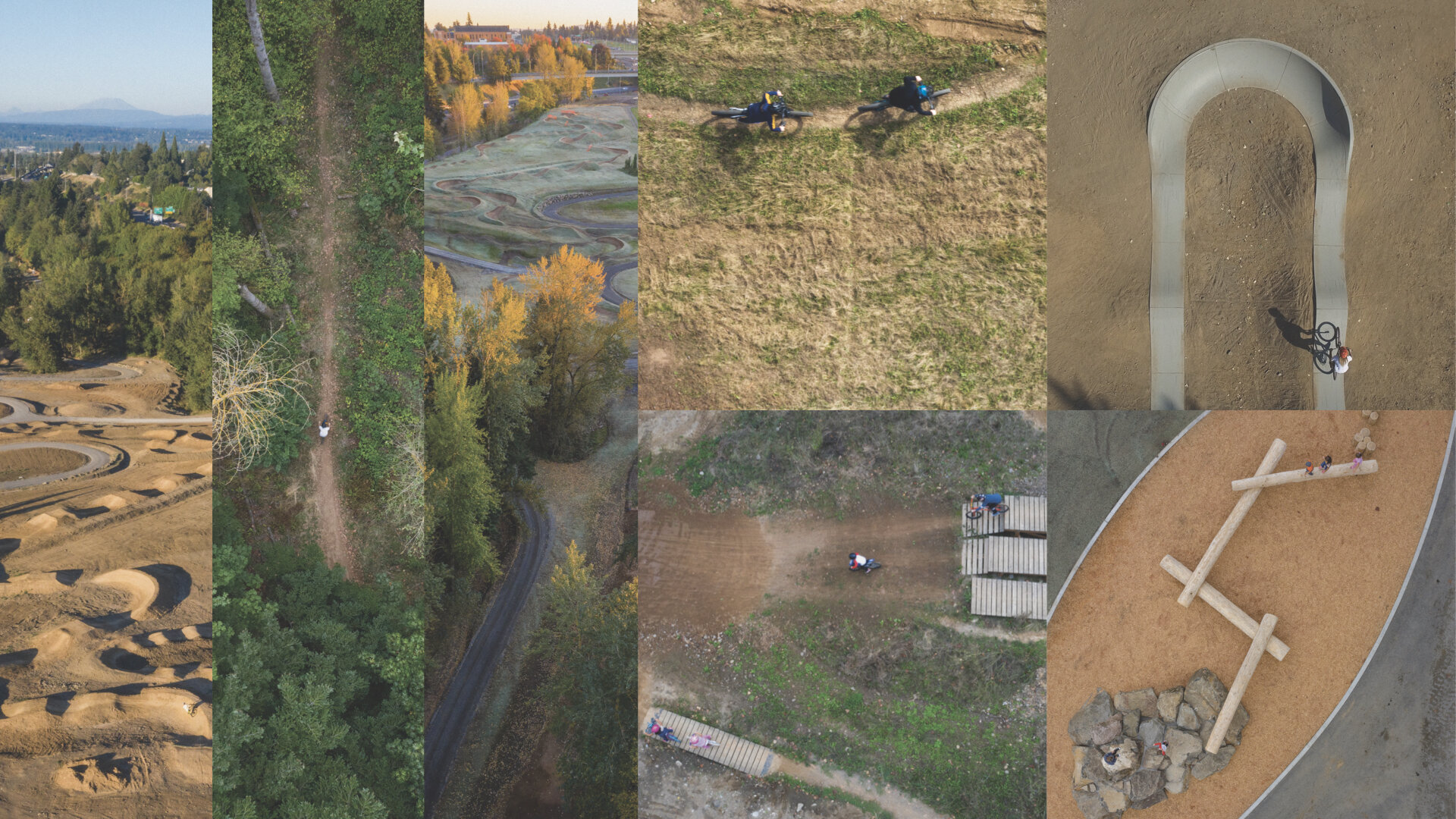
Gateway Green is a new off-road bicycle park in Portland, Oregon. Sandwiched between two freeways, it’s a great example of resourceful land use as well as community advocacy leading to real impact. 


Portland Parks and Recreation and project architect Greenworks invited us to design the park’s wayfinding.

We designed a wayfinding plan, park signage and trail map.

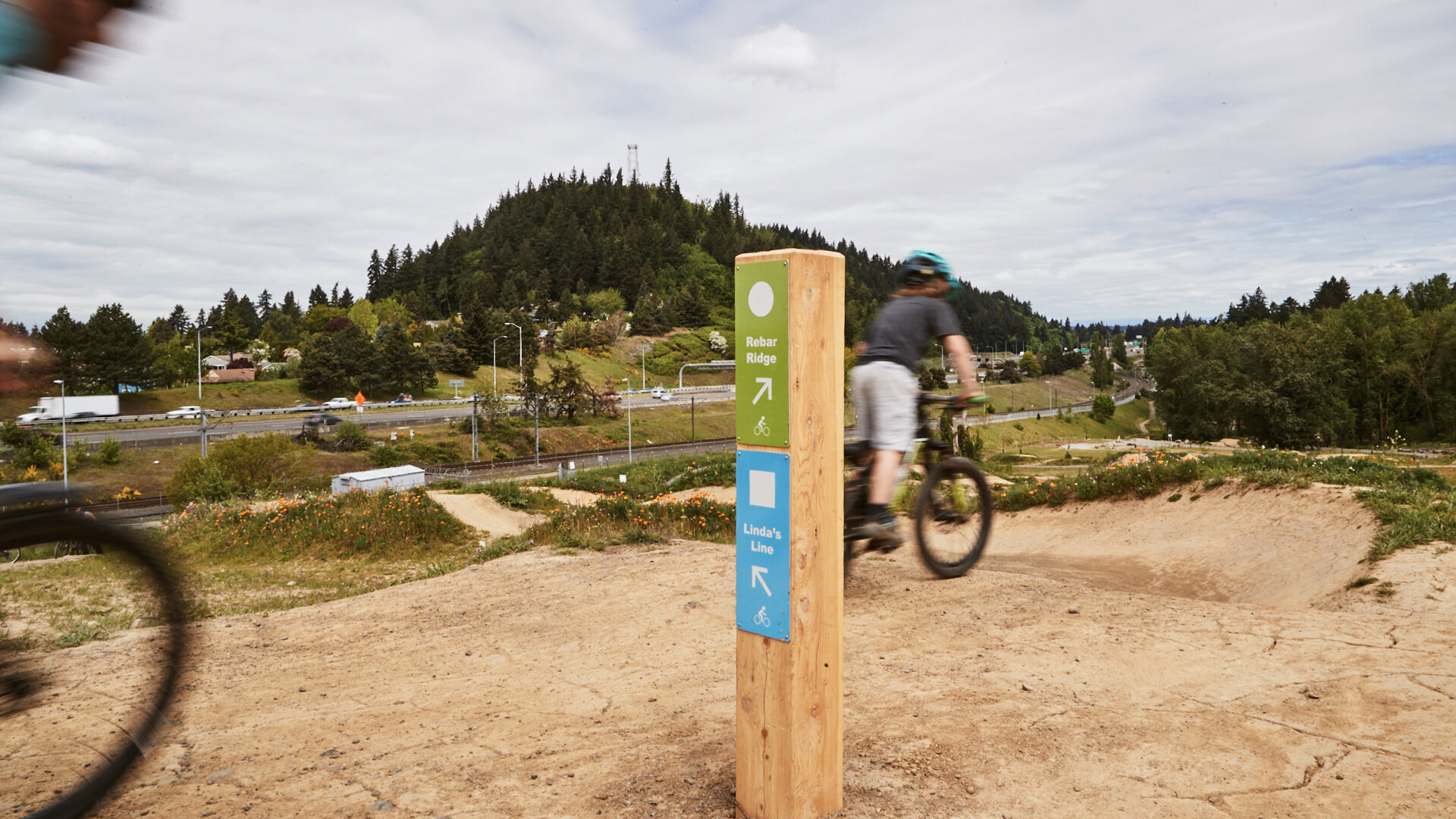
Close up view of a trail sign shows a wood post with two signs. A green sign says "Rebar Ridge" and includes a circle and arrow pointing right. A blue sign reads "Linda's Line" and shows a square and points left.
A sign next to a gravel trail reads "Jump Line Rules" in large text and has lots of small rules listed underneath it. Behind the rules is an aerial photograph of the jump line trail.
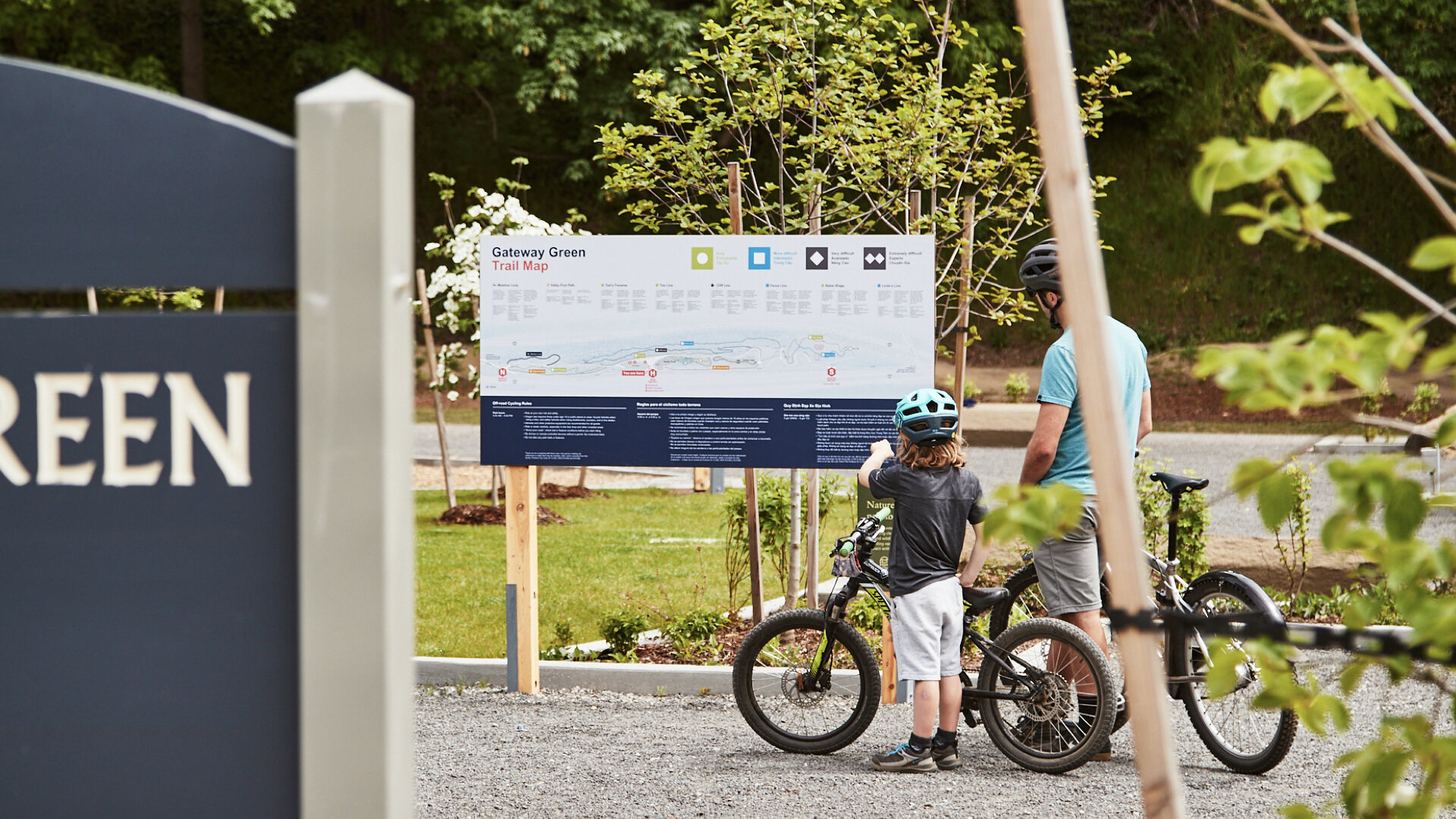
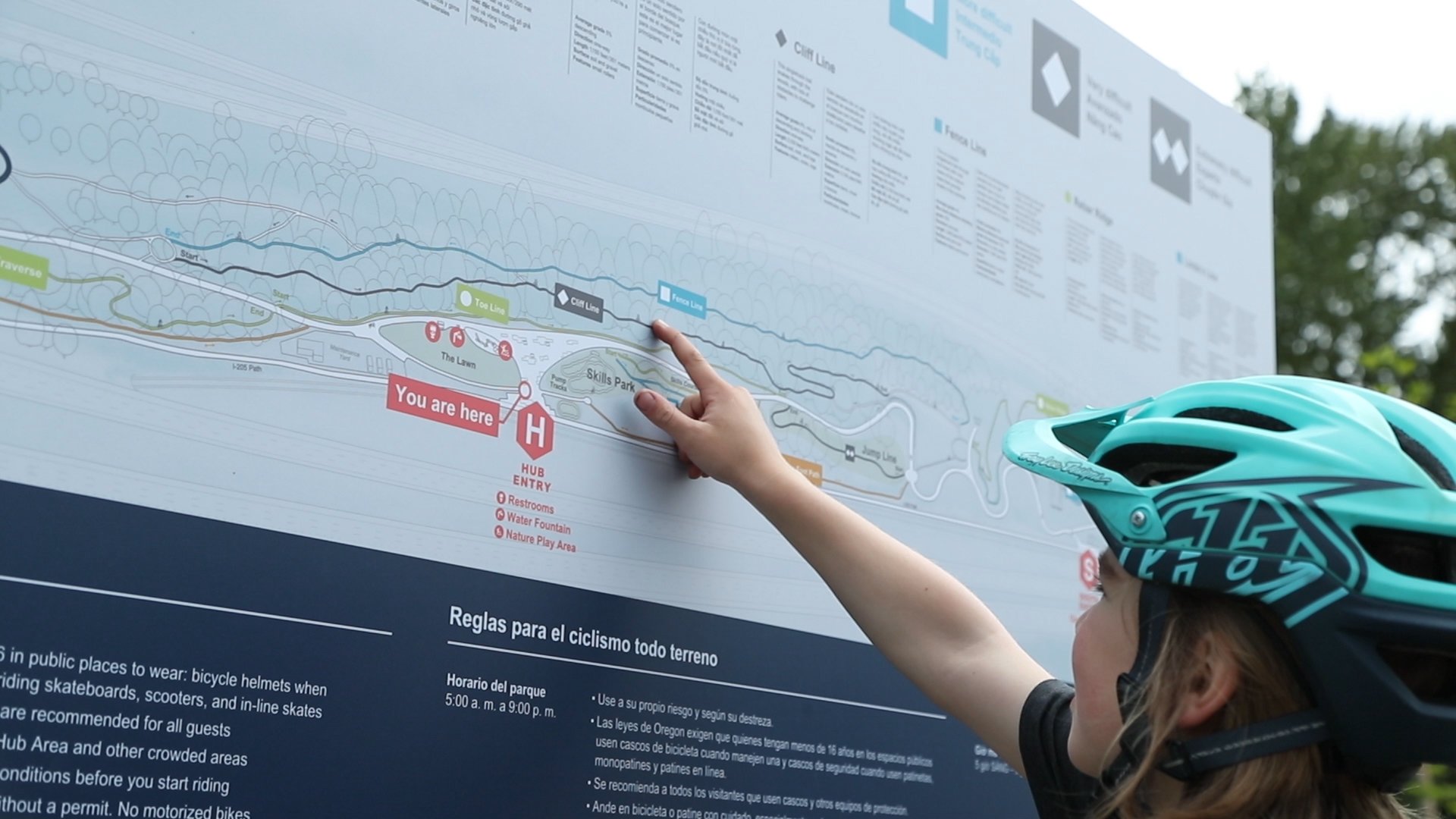
A child points to a label on a 3d map of the park bike trails. There are descriptions of the trails above the map and rules beneath it in different languages.
A person wearing a blue helmet and casual clothing is walking a bicycle on a dirt path next to a wooden post with a sign pointing straight ahead to bike trails named Rebar Ridge and Linda's Line.

The graphic system uses bold colors, symbols and pictograms to communicate consistently and confidently throughout the Park.
Two people riding bicycles on a forest trail next to a wooden post with a sign pointing straight ahead to Meadow Loop and Ted's Traverse.

The sign graphics are deliberately minimal—conveying the most critical information only—so that riders can quickly read them without stopping on the narrow, singletrack (one-way) trails. 

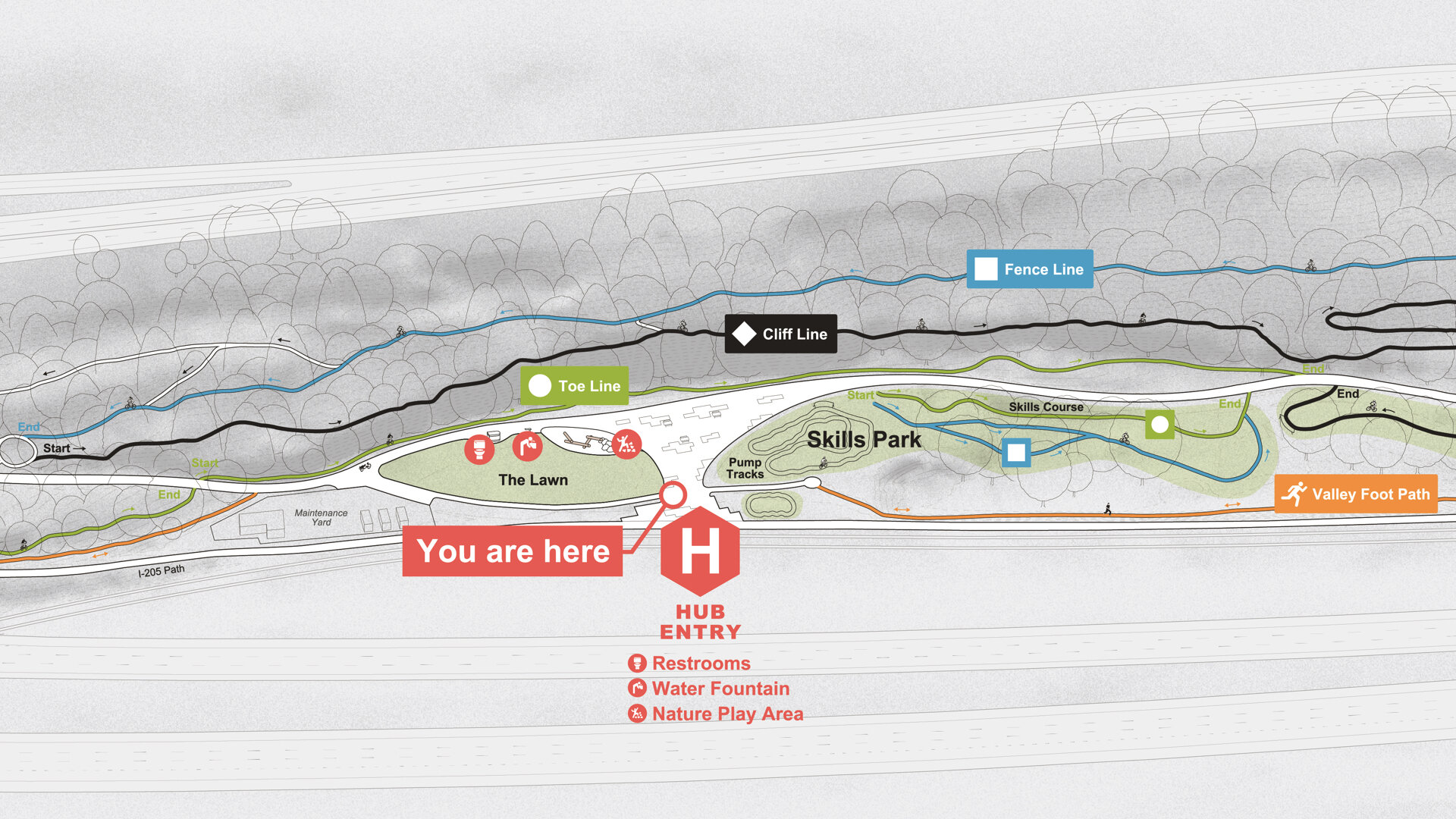
 Colors and symbols work in concert with the trail map to consistently communicate routes to riders.
A sign next to a trail in the woods reads "Cliff Line" and has a black background with a diamond.
A person wearing a light blue shirt is pointing at a detailed outdoor park map that includes labeled trails, a hub entry, and park rules in Spanish.

The 3D map design integrates illustrations of trees, bicycle riders and landmarks to quickly orient visitors and to encourage people new to riding to give it a try.
It’s easy to read for people young and old. Pictured here, a child shares the route he rode (a black diamond!) during his visit to the Park.
2021_05_03_SparksSullivan_0045 faster.jpg

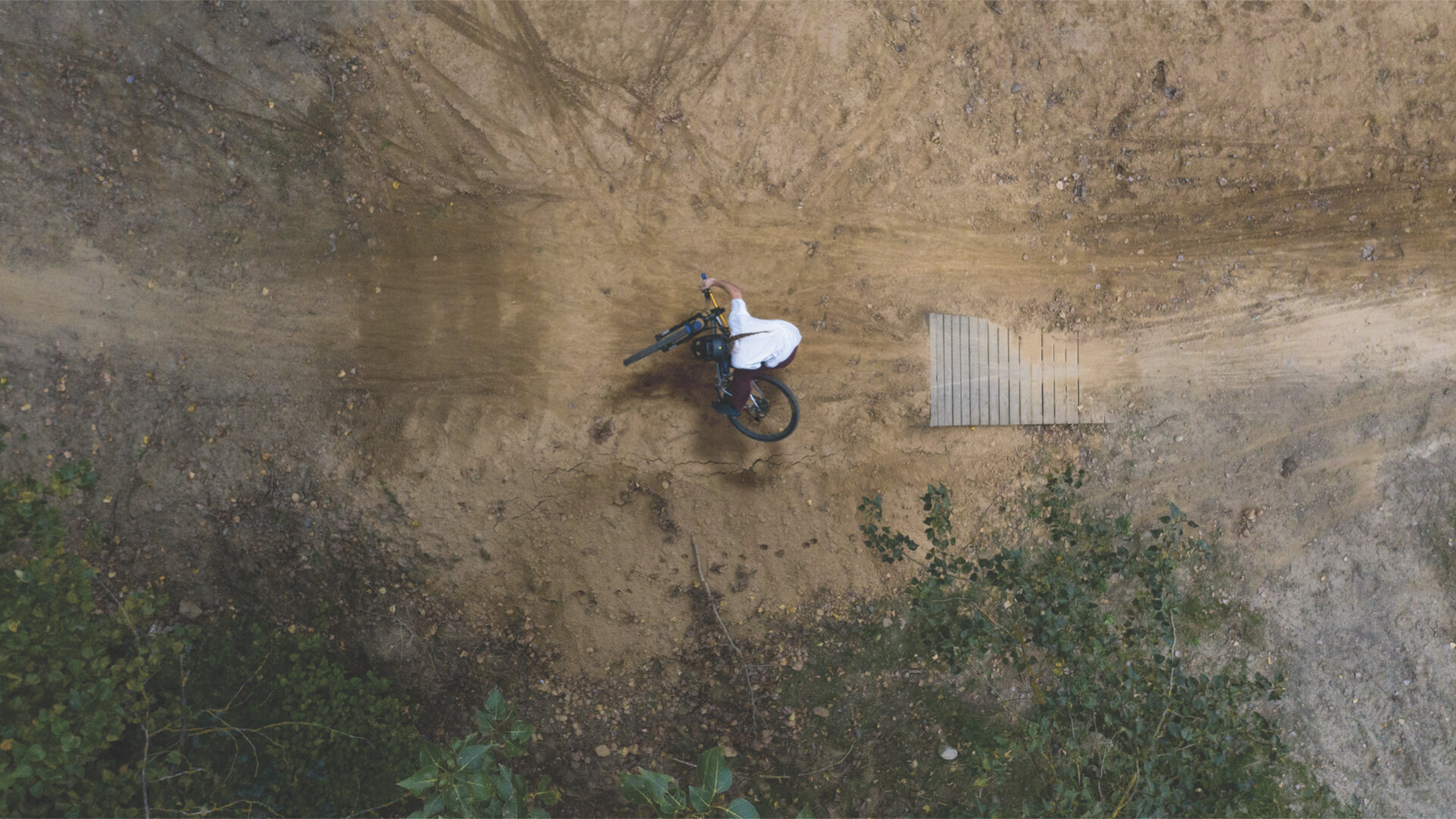
During the project, we learned that photographer James Mustico had been documenting the Park’s construction. We worked together to integrate his captivating aerial photography into the park signage.
A sign reads, "Nature Play Area" and includes lots of small text underneath it. Behind the text, there's an aerial photograph of a natural play area with a log and boulders. Beyond the sign, is the play area itself and a child walks on a log.
A wooden post in a park displays a bilingual sign titled "Skills Park" with rules in English and Spanish, and a person riding a bicycle is visible in the background on a dirt path surrounded by trees.
A person wearing a helmet and dark clothing is looking at a large outdoor sign with jump line rules written in English, Spanish, and Vietnamese near a wooded area.

The signs include Vietnamese, Spanish and English, common first-languages in communities near the park.

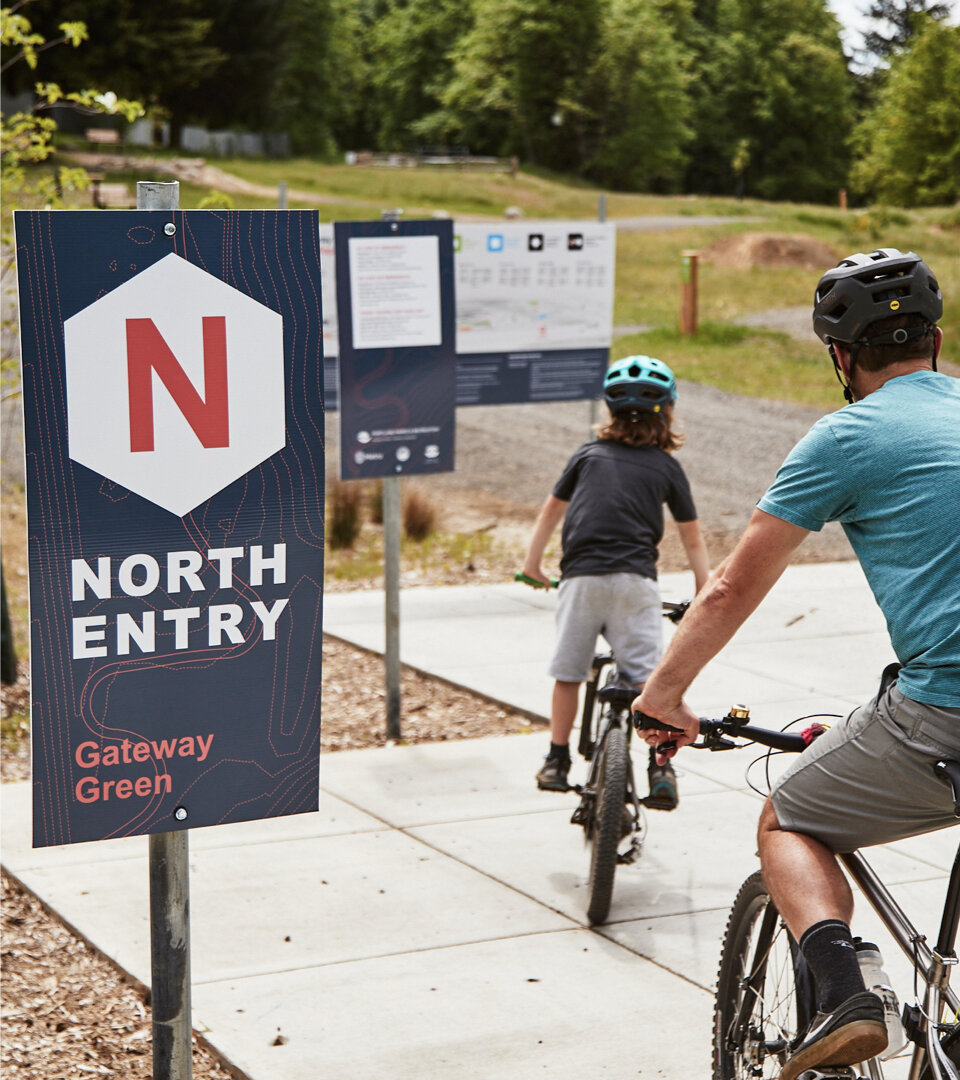
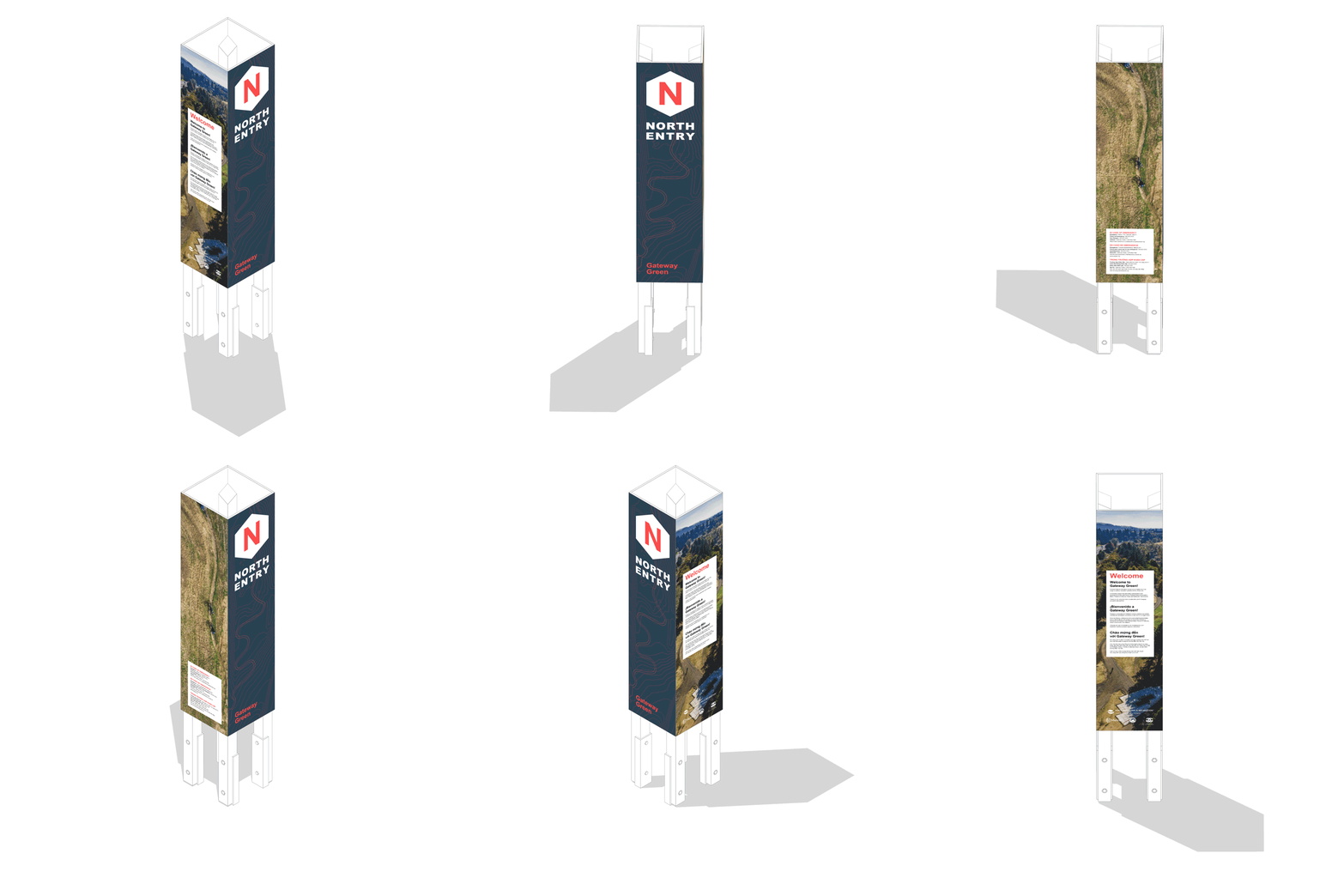
Temporary signs currently mark all three park entries and will (fingers crossed) be replaced by larger signs that are visible from a distance and help orient visitors. We used the park’s unique topography to create a pattern for them and aerial photos to aid orientation.
A person wearing a backpack is walking on a gravel and dirt path next to a wooden post with a sign that reads Valley Foot Path walking and running only.

Instead of cedar or pressure-treated wood, the sign posts are made of Juniper, a sustainable way to use an invasive, but durable, species in the West.

A caution sign on a wooden fence warns of a septic field and restricts entry to authorized personnel only.

Finally, we coordinated the new signs with Portland Parks and Recreation’s existing sign standards—and had the opportunity to have some fun with a few of them. 

Projects like this are a team effort.
Special thanks to the dedicated and passionate partners who helped bring this wayfinding project to life.


Project Team

Client team
Maya Agarwal, Portland Parks & Recreation
Ross Swanson, Portland Parks & Recreation
Jill Van Winkle, Portland Parks & Recreation
Ben Johnson, GreenWorks
Chris Bernhardt, C2 Recreation Consulting

Fabrication
Carla Solis, ACME
Erin McKenna, ACME

Photography
James Mustico (aerial photography)
Micah Fischer (photography of signs)
Our pal Mitch and his child—“modeling” in our photoshoot

Landscape Architecture
GreenWorks

sparks+sullivan Role
Wayfinding Plan
Signage Design
Map Design

Did we miss a detail or shout out? Email us
and let us know! hello@sparkssullivan.com

Previous
Previous

RoseLane

Next
Next

Portland Japanese Garden